Know the whole fight.
What Mixed Martial Arts Can Teach You: Life Lessons Beyond the Ring
Discover the transformative life lessons learned through Mixed Martial Arts training, from self-defense skills to mental resilience and community building.

Mixed Martial Arts, commonly referred to as MMA, is a dynamic and multifaceted combat sport that has gained immense popularity over the past few decades. Originating from various traditional martial arts, MMA combines techniques from disciplines such as Brazilian Jiu-Jitsu, Muay Thai, boxing, wrestling, and judo, creating a comprehensive fighting style that is both effective and versatile. The sport's evolution can be traced back to ancient combat practices, but it was in the early 1990s that MMA began to take shape as a formalized sport with the establishment of organizations like the Ultimate Fighting Championship (UFC). This marked a significant turning point, as it brought together fighters from diverse backgrounds to compete under unified rules, showcasing the effectiveness of different martial arts in real combat scenarios. The significance of mixed martial arts extends beyond mere competition; it serves as a powerful platform for personal development and self-discovery.
Training in MMA not only equips individuals with self-defense skills but also fosters discipline, resilience, and mental fortitude. As practitioners engage in rigorous training regimens, they learn to push their physical limits while cultivating a strong sense of self-confidence. The journey through MMA is not just about mastering techniques; it is about embracing challenges and overcoming obstacles both inside and outside the ring. Moreover, the benefits of participating in MMA are manifold. From improved physical fitness and weight management to enhanced coordination and agility, the training involved in mixed martial arts offers a holistic approach to health.
Additionally, the camaraderie built within training environments fosters social connections and support networks that can be invaluable in everyday life. As we delve deeper into the lessons learned through MMA training, it becomes clear that this sport is not merely about fighting; it is a transformative experience that shapes character and instills valuable life skills.
The Physical Benefits of Mixed Martial Arts
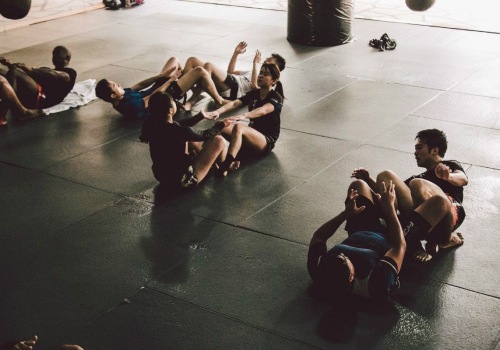
Engaging in Mixed Martial Arts (MMA) offers a multitude of physical benefits that extend far beyond mere self-defense techniques. As a comprehensive workout regimen, MMA combines various martial arts disciplines, providing practitioners with a full-body exercise that enhances overall fitness levels. One of the most significant advantages of practicing MMA is improved cardiovascular health. The high-intensity training sessions, which often include striking, grappling, and conditioning drills, elevate the heart rate and promote better blood circulation.This not only strengthens the heart but also increases lung capacity, allowing for improved endurance during both training and daily activities.
In addition to cardiovascular benefits, MMA is an effective way to achieve weight loss. The rigorous nature of the workouts burns a substantial number of calories, making it easier for individuals to shed excess pounds. Coupled with a balanced diet, consistent MMA training can lead to sustainable weight management and a healthier body composition.
Strength and flexibility
are also key physical benefits associated with MMA practice. The diverse range of movements involved in various martial arts techniques helps build muscle strength across different muscle groups.
For instance, striking techniques enhance upper body strength while grappling improves core stability and lower body power. Furthermore, the dynamic stretching routines incorporated into training sessions promote flexibility, reducing the risk of injuries both in and out of the gym. MMA also fosters improved coordination and balance. As practitioners learn to execute complex techniques that require precise timing and spatial awareness, they develop better motor skills. This enhanced coordination translates into everyday activities, making tasks such as running or even walking more efficient. Lastly, the physical benefits of MMA contribute significantly to overall well-being.
Regular participation in martial arts not only boosts physical health but also enhances mental resilience. The discipline required in training fosters a sense of accomplishment and self-confidence that can positively impact various aspects of life. In summary, the physical benefits of Mixed Martial Arts are extensive and multifaceted. From improved cardiovascular health and weight loss to increased strength, flexibility, coordination, and overall well-being, MMA serves as an exceptional avenue for individuals seeking to enhance their fitness journey.
Mental Toughness and Discipline in MMA Training
Training in mixed martial arts (MMA) is not just about physical prowess; it is a profound journey that cultivates mental toughness and discipline. These attributes are essential for success in both the ring and everyday life.As practitioners engage in rigorous training sessions, they learn to push through discomfort, overcome obstacles, and maintain focus on their goals.
Mental Resilience
The nature of MMA training demands a high level of mental resilience. Fighters often face intense physical challenges, from grueling workouts to sparring sessions that test their limits. This environment fosters a mindset that embraces adversity. When students learn to confront their fears—whether it's the fear of getting hit or the anxiety of competing—they develop a stronger mental fortitude that translates into other areas of life.
Focus and Concentration
In MMA, focus is paramount.
Athletes must concentrate on their techniques, strategies, and opponents simultaneously. This level of concentration sharpens their ability to stay present and engaged, which is crucial not only in combat sports but also in academic and professional settings. The discipline required to train consistently helps individuals cultivate a focused mindset that enhances productivity and efficiency.
Perseverance Through Challenges
Every fighter experiences setbacks—be it a loss in competition or an injury during training. MMA teaches the importance of perseverance; athletes learn that failure is not the end but rather an opportunity for growth.
This lesson instills a sense of determination that encourages individuals to keep striving toward their goals, regardless of the hurdles they may encounter.
Goal-Setting Skills
Setting and achieving goals is a fundamental aspect of MMA training. Whether it’s mastering a new technique or preparing for a fight, athletes learn to break down larger objectives into manageable steps. This process not only enhances their performance but also builds confidence as they achieve each milestone. The skills developed through goal-setting in MMA can be applied to various aspects of life, from personal development to career advancement.
In conclusion, the mental benefits of mixed martial arts extend far beyond the gym or competition arena.
The discipline, focus, perseverance, and goal-setting skills cultivated through MMA training equip individuals with the tools necessary to navigate life's challenges effectively. As practitioners continue their journey in martial arts, they not only become better fighters but also more resilient individuals capable of facing any obstacle head-on.
Self-Defense Skills Acquired Through MMA
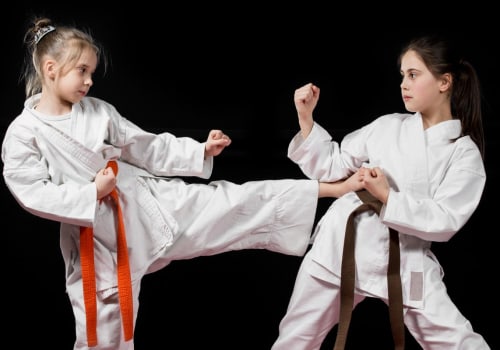
Mixed Martial Arts (MMA) is not just a sport; it is a comprehensive self-defense system that equips practitioners with a variety of skills applicable in real-life situations. The training involved in MMA encompasses techniques from various martial arts disciplines, allowing individuals to develop a well-rounded approach to self-defense. One of the primary self-defense techniques learned through MMA is the ability to strike effectively. Practitioners learn how to throw powerful punches and kicks, which can be crucial in warding off an attacker.Techniques from boxing and Muay Thai provide the foundation for striking, teaching students how to generate power and precision in their hits. This striking ability not only helps in defending oneself but also builds confidence in handling confrontational situations. In addition to striking, MMA training emphasizes grappling techniques derived from Brazilian Jiu-Jitsu and wrestling. These skills are essential for controlling an opponent, especially in close-quarters situations. For instance, learning how to execute a takedown or apply a submission hold can neutralize a threat effectively.
Practitioners become adept at using leverage and body mechanics to gain the upper hand, even against larger opponents. Moreover, MMA teaches situational awareness and the importance of de-escalation. Students learn to assess their surroundings and recognize potential threats before they escalate into physical confrontations. This aspect of training fosters a mindset that prioritizes safety and conflict resolution over aggression. The confidence gained through mastering these practical self-defense skills is invaluable. As individuals progress in their training, they often find themselves more self-assured in various aspects of life, not just in physical confrontations.
This newfound confidence can translate into improved social interactions and decision-making under pressure. Ultimately, the self-defense skills acquired through MMA are practical, effective, and adaptable to real-world scenarios. Whether it’s learning how to escape from a hold or understanding how to strike effectively, each technique contributes to a comprehensive self-defense strategy that empowers individuals to protect themselves while promoting personal growth and resilience.
Building Confidence and Self-Esteem with MMA
Participating in mixed martial arts (MMA) can be a transformative experience, particularly when it comes to building confidence and self-esteem. Many practitioners find that the journey through MMA not only enhances their physical abilities but also significantly boosts their mental fortitude. One of the most profound aspects of training in MMA is the sense of accomplishment that comes from mastering new techniques. As students progress through various levels of skill, they often experience a surge in self-confidence.For instance, a beginner who once struggled to execute a simple jab may find themselves successfully performing complex combinations after months of dedicated practice. This progression fosters a belief in one’s own capabilities, which can extend beyond the gym and into everyday life. Moreover, the supportive community found in MMA gyms plays a crucial role in enhancing self-esteem. Practitioners often form strong bonds with their training partners and coaches, creating an environment where encouragement and constructive feedback are prevalent. This camaraderie helps individuals feel valued and accepted, which is essential for personal growth.
A former student shared, "When I first walked into the gym, I was shy and unsure of myself. But as I trained alongside others who were just as passionate, I began to believe in my abilities and found a family that supported me every step of the way." Additionally, MMA teaches valuable lessons about resilience and perseverance. The nature of training involves facing challenges head-on—whether it’s sparring with a more experienced opponent or pushing through fatigue during a rigorous workout. Each challenge overcome reinforces the idea that one can tackle obstacles in life with determination.
A practitioner noted, "Every time I get knocked down in training, I learn to get back up stronger. That mindset has changed how I approach challenges outside the gym." Furthermore, the discipline required in MMA training translates into other areas of life. Setting goals—be it mastering a new technique or preparing for a competition—instills a sense of purpose and direction. As individuals achieve these goals, their self-esteem naturally rises.
The journey through MMA is not just about physical prowess; it’s about cultivating a resilient mindset that empowers individuals to pursue their aspirations. In conclusion, mixed martial arts serves as an incredible platform for building confidence and self-esteem. Through personal growth, supportive communities, and the development of resilience, practitioners emerge not only as skilled fighters but as more confident individuals ready to face life’s challenges.
Social Skills and Community in Mixed Martial Arts
Engaging in mixed martial arts (MMA) offers more than just physical benefits; it also fosters a rich social environment that can significantly enhance one’s social skills and community connections. As practitioners step onto the mat, they enter a space where camaraderie and teamwork thrive, creating lasting friendships and a sense of belonging. One of the most profound social benefits of MMA is the opportunity to build strong relationships with fellow practitioners. Training together fosters a unique bond, as individuals share the challenges and triumphs of mastering various techniques.This shared experience cultivates trust and respect, essential components of any friendship. Whether it’s sparring with a partner or cheering each other on during competitions, these interactions help forge connections that often extend beyond the gym. Moreover, the diverse backgrounds of MMA practitioners contribute to a vibrant community. Participants come from various walks of life, bringing different perspectives and experiences to the training environment. This diversity not only enriches the learning experience but also encourages open-mindedness and cultural exchange among members.
Practicing alongside individuals with different skill levels and backgrounds promotes empathy and understanding, essential traits for effective communication. Teamwork is another critical aspect of training in MMA. Many classes emphasize working in pairs or small groups, which helps develop collaboration skills. Practitioners learn to rely on one another for support, whether it’s perfecting a technique or preparing for a competition. This collaborative spirit fosters an environment where everyone feels valued and motivated to improve together. Additionally, participating in MMA can enhance one’s confidence in social situations.
As individuals become more comfortable with their physical abilities and self-defense skills, they often find themselves more at ease in various social settings. The discipline and focus required in training translate into improved communication skills, making it easier to engage with others both inside and outside the gym. In conclusion, the social aspects of mixed martial arts are invaluable. From building lasting friendships to enhancing teamwork skills, MMA creates a supportive community that encourages personal growth and development. By immersing oneself in this dynamic environment, practitioners not only improve their fighting skills but also enrich their social lives in meaningful ways.
Life Lessons Learned from Mixed Martial Arts Training
Training in mixed martial arts (MMA) offers more than just physical fitness and self-defense skills; it imparts invaluable life lessons that can shape an individual’s character and approach to challenges.Here are some key lessons learned through MMA training:
- Respect: One of the foundational principles of martial arts is respect—for your instructors, training partners, and the art itself. In MMA, practitioners learn to respect their opponents, understanding that every fighter brings unique skills and experiences to the mat. This respect fosters a sense of community and camaraderie among fighters, which can translate into respectful interactions in everyday life.
- Humility: No matter how skilled a fighter becomes, there will always be someone who can challenge them. MMA teaches humility by reminding practitioners that there is always room for improvement.
Accepting defeat gracefully and learning from mistakes is crucial in both the ring and life.
- Discipline: The rigorous training schedules and the commitment required to excel in MMA instill a strong sense of discipline. Fighters must adhere to strict training regimens, dietary restrictions, and mental conditioning practices. This discipline can be applied to various aspects of life, including academic pursuits and professional responsibilities.
- Perseverance: Training in MMA is not without its challenges. Fighters often face physical exhaustion, injuries, and mental barriers.
Overcoming these obstacles teaches resilience and the importance of pushing through adversity. This lesson is vital for personal development, as it encourages individuals to keep striving toward their goals despite setbacks.
- Goal Setting: In MMA, setting clear goals—whether it’s mastering a new technique or preparing for a fight—is essential for progress. This practice of goal setting helps individuals focus their efforts and measure their achievements, which can be applied to personal and professional aspirations.
By integrating these principles into daily life, individuals can enhance their personal development journey and navigate challenges with greater confidence and resilience.
Frequently Asked Questions About Mixed Martial Arts
Mixed Martial Arts (MMA) is a dynamic and multifaceted sport that often raises questions among those considering training or simply curious about its nature. Below are some of the most frequently asked questions regarding MMA, along with clarifications to dispel common misconceptions.Is Mixed Martial Arts Safe?
One of the primary concerns for potential practitioners is safety. While any contact sport carries inherent risks, studies have shown that mixed martial arts is statistically safer than many traditional combat sports, such as boxing. MMA training emphasizes technique and control, which helps reduce the likelihood of serious injuries.Additionally, training environments are typically supervised by experienced coaches who prioritize safety and proper technique.
What Age Can You Start Training in MMA?
Another common question revolves around age restrictions. Many gyms offer classes for children as young as 5 or 6 years old, focusing on basic techniques and discipline rather than full-contact sparring. For adults, there are no strict age limits; individuals of all ages can participate in MMA training, provided they are in good health and have no contraindications.Do You Have to Compete in MMA?
A prevalent misconception is that training in MMA requires participation in competitions. This is not true.Many individuals train in MMA for personal fitness, self-defense, or stress relief without ever stepping into the ring. The skills learned through MMA can be beneficial in various aspects of life, including improved physical fitness and mental resilience.
How Intense is MMA Training?
The intensity of MMA training can vary significantly based on individual goals and experience levels. Beginners often start with foundational techniques at a comfortable pace, gradually increasing intensity as they become more proficient. Advanced practitioners may engage in rigorous sparring sessions and conditioning workouts.Regardless of intensity, it’s essential to listen to your body and communicate with your coach about your comfort level.
Can Women Train in Mixed Martial Arts?
Absolutely! Mixed Martial Arts is inclusive and welcomes practitioners of all genders. In fact, many women find MMA empowering as it builds confidence, strength, and self-defense skills. Numerous female fighters have made significant contributions to the sport, inspiring others to join. In conclusion, understanding these common questions about mixed martial arts can help alleviate concerns and encourage more individuals to explore this enriching discipline. Whether for fitness, self-defense, or personal growth, MMA offers valuable lessons that extend beyond the mat.Conclusion: Embracing the Journey of Mixed Martial Arts
As we conclude our exploration of what mixed martial arts can teach us, it becomes clear that the benefits extend far beyond the physical realm.Engaging in MMA is not merely about learning to fight; it is a transformative journey that fosters personal growth, resilience, and a deeper understanding of oneself. Throughout this article, we have highlighted several key aspects of mixed martial arts. From enhancing physical fitness and self-defense skills to building mental toughness and discipline, the lessons learned in the dojo or training gym are invaluable. Here are some of the most significant takeaways:
- Physical Fitness: Regular training in MMA promotes cardiovascular health, strength, flexibility, and overall well-being.
- Mental Resilience: The challenges faced during training help cultivate a strong mindset, teaching practitioners to overcome obstacles both on and off the mat.
- Self-Defense Skills: Learning various techniques equips individuals with the ability to protect themselves in real-life situations.
- Community and Camaraderie: The supportive environment of an MMA class fosters friendships and a sense of belonging among practitioners.
- Life Skills: Discipline, respect, humility, and perseverance are core values instilled through martial arts training.
Each training session is an opportunity to learn something new, whether it’s mastering a technique or understanding the importance of strategy in combat. Ultimately, embracing the journey of mixed martial arts can lead to profound changes in one’s life. It empowers individuals to take control of their health, boosts their confidence, and equips them with essential skills that can be applied in various aspects of life. Whether you are a beginner or an experienced fighter, the lessons learned through MMA are timeless and can serve as a foundation for personal development. In conclusion, consider how engaging with mixed martial arts can positively impact your life. It is not just about becoming a better fighter; it’s about becoming a better version of yourself.
So lace up your gloves, step onto the mat, and embrace the journey ahead!.