Know the whole fight.
Understanding the Injuries Associated with Mixed Martial Arts
Explore the common injuries associated with mixed martial arts, their statistics, and prevention strategies for fighters and enthusiasts.
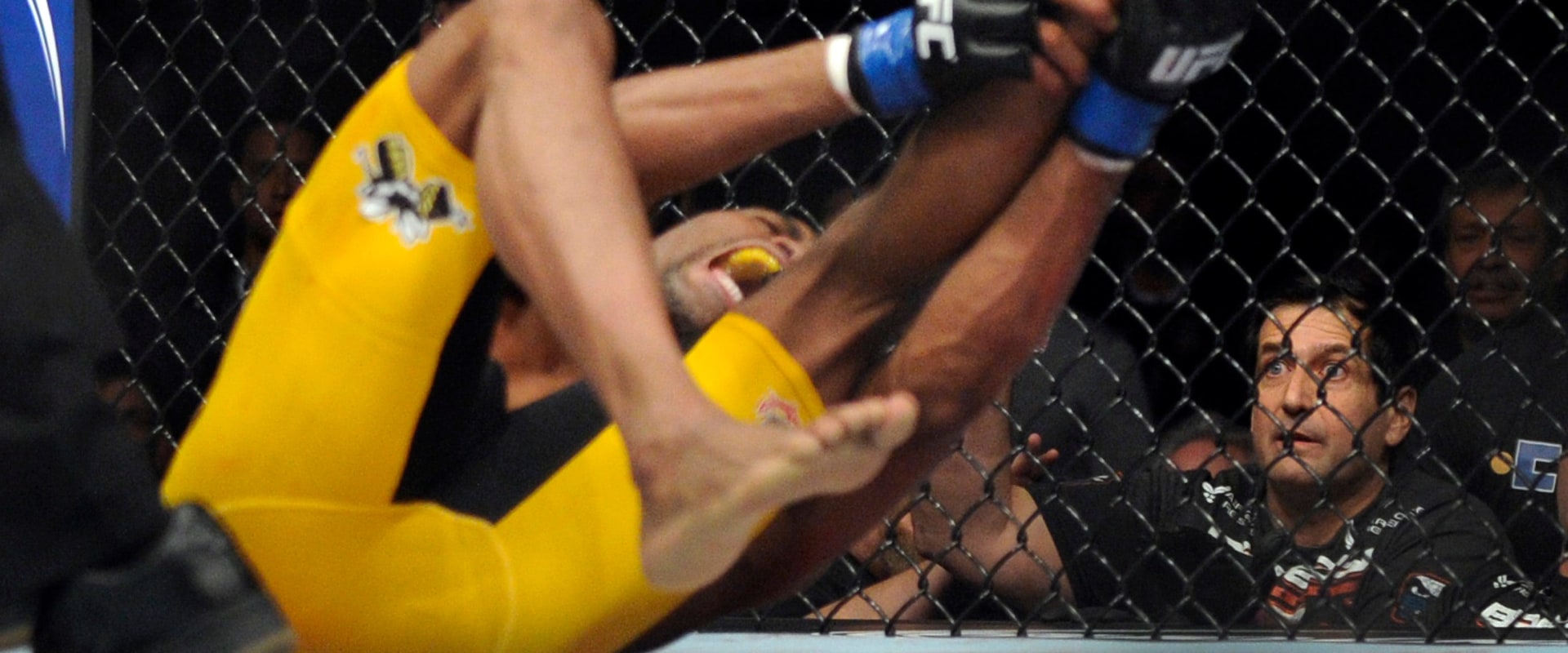
Mixed martial arts, commonly referred to as MMA, has surged in popularity over the past two decades, captivating audiences around the globe. This dynamic sport combines various fighting styles, including boxing, wrestling, Brazilian jiu-jitsu, and Muay Thai, creating a unique and multifaceted combat experience. The rise of organizations like the Ultimate Fighting Championship (UFC) has played a pivotal role in bringing MMA into the mainstream, showcasing elite athletes who demonstrate incredible skill and resilience inside the octagon. The appeal of mixed martial arts lies not only in its thrilling competition but also in its accessibility. With numerous gyms and training facilities popping up across the United States and beyond, individuals from all walks of life are drawn to the sport.
Whether for fitness, self-defense, or the pursuit of a professional career, many enthusiasts find themselves immersed in the rigorous training and discipline that MMA demands. This growing interest has led to an increase in participation at both amateur and professional levels. However, as with any contact sport, the excitement of MMA comes with inherent risks. The physical nature of the competition can lead to a variety of injuries, ranging from minor bruises to more severe conditions that require medical attention. Understanding these potential injuries is crucial for both participants and fans alike.
As we delve deeper into the world of MMA, it becomes essential to explore not only the sport's exhilarating aspects but also the realities of injury risks that accompany this intense form of athleticism.
Common Injuries in Mixed Martial Arts
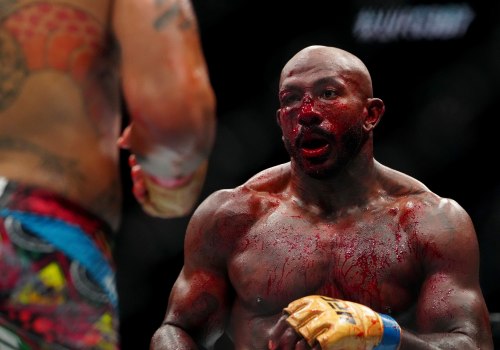
Mixed martial arts (MMA) is an exhilarating yet physically demanding sport that combines various fighting techniques, making it both popular and perilous. As athletes engage in intense training and competition, they expose themselves to a range of injuries. Understanding the most common injuries in MMA is crucial for fighters, trainers, and fans alike. One of the most frequently reported injuries in MMA is lacerations. These cuts often occur due to strikes or grappling maneuvers, particularly around the face and head.Lacerations can vary in severity, with some requiring stitches and others leading to significant blood loss. Fighters are often seen with facial cuts that can impact their performance and require medical attention.
Fractures
are another prevalent injury in MMA. The bones most commonly fractured include:
- Orbital bones : These are particularly vulnerable during striking exchanges.
- Nasal bones : A common target during fights, leading to nasal fractures.
- Ribs : Fractured ribs can occur from powerful body strikes or takedowns.
- Long bones : While less common, fractures in the tibia, fibula, radius, or ulna can happen due to direct impacts.
Concussions can have long-term effects on fighters' health and well-being, making awareness and prevention critical. Statistics reveal the extent of injury risks in MMA. Research indicates that the injury rate for competitive MMA athletes ranges from 22.9 to 28.6 injuries per 100 engagements. This statistic underscores the high incidence of injuries during fights. The head is the most frequently injured area, followed by the wrists and joints. The most commonly injured joints include:
- Elbow joint : Prone to dislocations and sprains during grappling.
- Knee joint : Injuries such as ACL and MCL tears are not uncommon.
- Metacarpal contusions or sprains
- AC joint separations
- Bursitis
- Achilles tendon injuries
Awareness of these common injuries can help fighters take preventive measures and seek appropriate treatment when necessary.
Injury Statistics and Rates in MMA
In the realm of mixed martial arts (MMA), understanding injury statistics is crucial for both athletes and healthcare providers. Various studies have been conducted to assess the frequency and types of injuries sustained during competitive bouts. The injury rate in MMA is notably high, with estimates ranging from 22.9 to 28.6 injuries per 100 fights. This statistic highlights the physical demands and risks associated with the sport. One of the most comprehensive studies on MMA injuries was published in the British Journal of Sports Medicine, which analyzed data from multiple competitions.The findings revealed that the head is the most frequently injured area, accounting for a significant percentage of all injuries. Following head injuries, the wrists and joints, particularly the elbows and knees, are also common sites of injury. When comparing MMA to other combat sports, such as boxing and kickboxing, the injury rates are surprisingly similar. For instance, boxing has an injury rate of approximately 30 injuries per 100 bouts , while kickboxing shows rates around 25 per 100 bouts. This indicates that while MMA is often perceived as more dangerous due to its diverse techniques and full-contact nature, the actual incidence of injuries is comparable to other established combat sports. Injuries in MMA can be categorized into acute and chronic types.
Acute injuries occur suddenly during a fight, such as fractures or lacerations, while chronic injuries develop over time due to repetitive stress, like joint pain or tendonitis. A study focusing on competitive MMA athletes found that lacerations were the most common acute injury, followed by fractures and concussions. Moreover, it is essential to consider that the level of competition significantly influences injury rates. Amateur fighters tend to experience fewer injuries compared to their professional counterparts, primarily due to differences in training intensity and protective measures. However, even at the amateur level, studies indicate an injury rate of around 15 injuries per 100 fights , underscoring that risk is inherent in all levels of competition. As participation in MMA continues to grow globally, understanding these statistics becomes increasingly important for developing effective training programs and safety protocols.
Coaches and athletes must prioritize injury prevention strategies to mitigate risks associated with this high-impact sport.
Types of Injuries by Body Part
In the high-octane world of mixed martial arts (MMA), the physical demands placed on athletes can lead to a variety of injuries, categorized by the body parts most affected. Understanding these injuries is crucial for fighters, trainers, and medical professionals alike.Head Injuries
The head is one of the most vulnerable areas in MMA, primarily due to the striking nature of the sport. Common head injuries include:- Concussions: These are traumatic brain injuries caused by a blow to the head, leading to symptoms such as confusion, dizziness, and headaches.
- Lacerations: Cuts and abrasions on the scalp and face are frequent due to punches and elbows, often requiring stitches.
- Nasal Fractures: The nose is particularly susceptible to fractures from direct strikes, which can cause significant bleeding and swelling.
- Orbital Fractures: The bones surrounding the eyes can break from powerful punches, leading to vision problems and swelling.
Joint Injuries
Joints are also at high risk during MMA fights, with several key areas prone to injury:- Elbow Injuries: The elbow joint is frequently injured due to hyperextension or direct impact. Common issues include sprains and subluxations.
- Knee Injuries: The knees are vulnerable to various injuries such as ACL (anterior cruciate ligament) tears, MCL (medial collateral ligament) sprains, and meniscus tears, often resulting from awkward landings or grappling maneuvers.
- Ankle Sprains: Ankle injuries can occur during takedowns or when fighters lose their balance, leading to sprains that may sideline an athlete for weeks.
Upper Body Injuries
The upper body also faces significant risks in MMA:- Wrist Injuries: Fighters often experience wrist sprains or fractures due to the impact of punches or falls.
- Dental Injuries: The mouth is at risk for dental trauma, including chipped or knocked-out teeth from strikes.
- Shoulder Injuries: Rotator cuff strains and shoulder dislocations can occur during grappling or when attempting submissions.
By recognizing these vulnerabilities, fighters can take proactive measures to protect themselves and enhance their performance in the ring.
Specific Types of Injuries: A Closer Look
Mixed martial arts (MMA) is a physically demanding sport that exposes fighters to a range of injuries, some of which can be severe. Understanding the specific types of injuries that occur in MMA is crucial for both fighters and trainers to implement effective prevention and treatment strategies.Lacerations in MMA
Lacerations are among the most common injuries sustained in MMA bouts. These injuries typically occur due to strikes, particularly from elbows and knees, which can create deep cuts on the face and body. The skin is often compromised during intense exchanges, leading to bleeding and potential scarring.Fighters may experience lacerations on the forehead, cheeks, and around the eyes, which can not only affect their appearance but also impair vision and overall performance. In many cases, lacerations require immediate medical attention to prevent infection and ensure proper healing. Fighters often undergo stitches or adhesive closures to manage these wounds. Additionally, the psychological impact of visible scars can affect a fighter's confidence in subsequent matches.
Fractures in Mixed Martial Arts
Fractures are another significant concern in MMA, with certain bones being more susceptible to breaks due to the nature of the sport. Common fracture sites include:- Orbital Bones: The bones surrounding the eye are particularly vulnerable during striking exchanges.
A powerful punch or kick can lead to fractures that may require surgical intervention and extensive recovery time.
- Ribs: Rib fractures can occur from body shots or grappling maneuvers. These injuries are painful and can severely limit a fighter's ability to breathe deeply or engage in physical activity.
- Long Bones: While less common, fractures of long bones such as the tibia or fibula can happen during takedowns or when a fighter lands awkwardly after a jump or kick.
Concussions: A Serious Concern
Concussions are another critical injury associated with mixed martial arts. These brain injuries result from direct blows to the head or whiplash effects during grappling.Symptoms can range from headaches and dizziness to confusion and memory loss. The cumulative effect of multiple concussions can lead to long-term neurological issues, making it essential for fighters to recognize symptoms early and seek medical evaluation. Preventing concussions involves proper training techniques, including defensive strategies to minimize head exposure during fights. Additionally, wearing appropriate protective gear during training sessions can help reduce the risk of head injuries. In conclusion, understanding the specific types of injuries associated with mixed martial arts is vital for ensuring fighter safety and longevity in the sport. By recognizing the risks of lacerations, fractures, and concussions, fighters and trainers can take proactive measures to mitigate these injuries and promote a healthier competitive environment.
Preventative Measures and Safety Gear in MMA
In the high-octane world of mixed martial arts (MMA), the risk of injury is a significant concern for both amateur and professional fighters.To mitigate these risks, the use of appropriate safety gear and preventative measures is essential. This section delves into the various types of protective equipment that can help reduce the likelihood of injuries during training and competition.
Types of Protective Equipment
- Headgear: One of the most critical pieces of equipment, headgear protects against cuts, bruises, and concussions. It cushions impacts to the head and can significantly reduce the severity of injuries.
- Gloves: MMA gloves are designed to protect the hands while allowing for flexibility and grip. They typically have open fingers to enable grappling techniques but provide padding over the knuckles to minimize hand injuries.
- Shin Guards: These are essential for protecting the shins during striking and grappling.
They help absorb impact and prevent bruising or fractures when kicking or blocking strikes.
- Chest Protectors: Particularly useful in training, chest protectors shield vital organs from powerful strikes, reducing the risk of rib fractures and internal injuries.
- Groin Protectors: Given the nature of MMA, groin protectors are crucial for male fighters to prevent painful injuries during sparring or competition.
- Footwear: While many fighters train barefoot, specialized footwear can provide grip and support during training sessions on various surfaces, reducing the risk of ankle sprains.
Importance of Training and Supervision
In addition to using protective gear, proper training is vital in preventing injuries in MMA. Fighters should engage in supervised training sessions that emphasize technique over brute strength. Learning how to fall correctly, execute moves safely, and understand one’s limits can significantly decrease injury rates.Regular Health Assessments
Regular health check-ups are also recommended for fighters. These assessments can help identify any pre-existing conditions that may increase injury risk.By addressing these issues proactively, fighters can better prepare themselves for the physical demands of MMA. In conclusion, while MMA inherently carries a risk of injury, implementing effective safety measures and utilizing appropriate protective equipment can significantly enhance fighter safety. By prioritizing these aspects, athletes can focus on honing their skills while minimizing their chances of injury.
Treatment and Recovery from MMA Injuries
Injuries sustained during mixed martial arts (MMA) can range from minor to severe, necessitating a comprehensive approach to treatment and recovery. Understanding the appropriate methods for managing these injuries is crucial for fighters aiming to return to the ring safely and effectively.Common Treatment Methods
The treatment of MMA injuries often begins with immediate care, particularly for acute injuries. The R.I. C. E. method—Rest, Ice, Compression, and Elevation—is widely recommended for initial management:
- Rest: Allowing the injured area to rest is vital to prevent further damage.
- Ice: Applying ice packs can help reduce swelling and numb pain.
- Compression: Using elastic bandages can provide support and minimize swelling.
- Elevation: Keeping the injured area elevated helps reduce swelling.
This could involve:
- Immobilization: Splints or casts may be used to stabilize broken bones or sprained joints.
- Surgery: In cases of severe damage, surgical intervention might be required to repair ligaments or bones.
- Physical Therapy: Rehabilitation through physical therapy is essential for restoring strength and mobility post-injury.
Rehabilitation Process
The rehabilitation process for MMA injuries is tailored to the specific type of injury and the individual’s overall health. It typically includes:- Assessment: A thorough evaluation by a healthcare professional to determine the extent of the injury.
- Strengthening Exercises: Gradual introduction of exercises designed to strengthen the affected area while avoiding re-injury.
- Range of Motion Activities: Gentle stretching and mobility exercises help restore flexibility.
- Pain Management: Techniques such as ultrasound therapy, electrical stimulation, or manual therapy may be employed to alleviate pain.
The Role of Healthcare Providers in MMA Injury Management
In the high-stakes world of mixed martial arts (MMA), the role of healthcare providers is crucial for ensuring the safety and well-being of athletes.As the sport continues to grow in popularity, the demand for specialized medical care tailored to the unique injuries associated with MMA has become increasingly evident. Healthcare professionals, including doctors, physical therapists, and athletic trainers, must possess a deep understanding of the specific challenges faced by MMA fighters. One of the primary responsibilities of healthcare providers in MMA is to conduct thorough pre-fight medical evaluations. These assessments help identify any pre-existing conditions or injuries that could be exacerbated during competition. By ensuring that fighters are physically fit to compete, healthcare providers play a vital role in minimizing the risk of serious injuries. In addition to pre-fight evaluations, healthcare providers are essential during and after fights.
Immediate medical attention is often required for injuries sustained in the octagon, such as lacerations, fractures, or concussions. Having a qualified medical team on-site can make a significant difference in the outcome of an injury. For instance, prompt treatment of a concussion can prevent long-term neurological damage. Post-fight care is equally important. Many MMA athletes experience a range of injuries that require rehabilitation and recovery strategies tailored to their specific needs.
Healthcare providers must develop individualized treatment plans that may include physical therapy, pain management techniques, and nutritional guidance to facilitate recovery. Moreover, education plays a critical role in injury management. Healthcare providers should educate athletes about injury prevention strategies, including proper training techniques and the importance of using protective gear. This proactive approach not only helps reduce the incidence of injuries but also empowers fighters to take charge of their health. As MMA evolves, so too does the need for ongoing research into injury patterns and effective treatment protocols. Healthcare providers must stay informed about the latest developments in sports medicine and adapt their practices accordingly.
This commitment to continuous learning ensures that they can provide the best possible care for MMA athletes. In conclusion, healthcare providers are indispensable in managing injuries within mixed martial arts. Their expertise not only aids in immediate injury treatment but also contributes to long-term athlete health and performance. As the sport continues to grow, so will the need for specialized medical care that addresses the unique challenges faced by MMA fighters.
Conclusion: The Importance of Awareness and Safety in Mixed Martial Arts
As we conclude our exploration of the injuries associated with mixed martial arts, it is crucial to emphasize the significance of awareness and safety in this demanding sport. The high injury rates, which range from 22.9 to 28.6 injuries per 100 competitive fights, highlight the inherent risks that fighters face.Understanding these risks is the first step toward fostering a safer environment for athletes. Throughout this article, we have identified various types of injuries prevalent in MMA, including lacerations, fractures, and concussions. The head, wrists, and joints are particularly vulnerable, making it essential for fighters to prioritize protective measures. Awareness of these common injuries can help athletes take proactive steps to minimize their risk.
Implementing Safety Measures
To enhance safety in MMA, several measures can be implemented:- Protective Gear: Wearing appropriate protective equipment, such as headgear, mouthguards, and padded gloves, can significantly reduce the likelihood of injury.
- Proper Training: Engaging in comprehensive training under the supervision of qualified coaches ensures that fighters learn techniques safely and effectively.
- Regular Medical Check-ups: Routine health assessments can help identify potential issues before they escalate into serious injuries.
- Awareness of Limits: Fighters should be educated about their physical limits and encouraged to listen to their bodies to prevent overexertion.
By fostering an environment where safety is prioritized, we can help mitigate the risks associated with mixed martial arts. In summary, while MMA is an exhilarating sport that offers numerous benefits, it is accompanied by significant risks. By remaining vigilant about safety measures and fostering awareness among athletes, we can work towards reducing injury rates and ensuring a healthier future for all participants in this dynamic sport.