Know the whole fight.
Understanding Mixed Martial Arts: An Expert's Insight
Explore the dynamic world of mixed martial arts (MMA), its history, techniques, and cultural impact from an expert's perspective.
Mixed martial arts, commonly referred to as MMA, is a dynamic and multifaceted combat sport that has gained immense popularity across the globe. It is characterized by its integration of various martial arts disciplines, including boxing, wrestling, judo, jiu-jitsu, karate, and muay thai. This unique blend allows fighters to utilize a wide array of techniques, making each match an unpredictable and thrilling spectacle. As a sport that emphasizes both striking and grappling, MMA has evolved into a comprehensive fighting system that appeals to athletes and fans alike. The significance of mixed martial arts in today’s sports landscape cannot be overstated.
With organizations like the Ultimate Fighting Championship (UFC) leading the charge, MMA has transformed from a niche interest into a mainstream phenomenon. The sport not only showcases the physical prowess of its competitors but also highlights their mental fortitude and strategic thinking. As fighters train in multiple disciplines, they develop a versatile skill set that enables them to adapt to various opponents and fight scenarios. To truly appreciate the depth of MMA, one must delve into its rich history. The origins of mixed martial arts can be traced back to ancient combat sports practiced in cultures around the world.
From the gladiatorial contests of ancient Rome to the traditional martial arts of Asia, the concept of combining different fighting styles has been present for centuries. However, it was not until the early 1990s that MMA began to take shape as we know it today, culminating in landmark events that showcased fighters from diverse backgrounds competing under unified rules. This introductory exploration sets the stage for a deeper understanding of MMA, including its rules, techniques, and the cultural impact it has had on society. As we journey through the evolution of this sport, we will uncover how mixed martial arts has not only redefined athletic competition but also influenced self-defense practices and fitness trends worldwide.
The Historical Evolution of Mixed Martial Arts
The journey of mixed martial arts (MMA) is a fascinating tale that intertwines various cultures and combat traditions, tracing back thousands of years. The origins of MMA can be found in ancient combat sports practiced in civilizations such as China and Greece, where warriors engaged in unarmed combat using a variety of techniques. In ancient China, the practice of martial arts was not merely a means of self-defense but also a way to cultivate discipline and mental fortitude.Techniques resembling modern MMA can be seen in the early forms of Chinese martial arts, which emphasized both striking and grappling. Similarly, in ancient Greece, the sport of Pankration emerged around 648 BC during the Olympic Games. This brutal competition combined elements of boxing and wrestling, allowing a wide range of techniques, including strikes and holds, making it one of the earliest forms of mixed combat. Fast forward to the 20th century, the modern incarnation of MMA began to take shape. The mid-1900s saw the rise of various martial arts styles across the globe, influenced by cultural exchanges and migration.
In particular, the influx of Chinese immigrants to places like Hong Kong introduced traditional Chinese martial arts to new audiences. This period also witnessed the emergence of rooftop fighting culture in Hong Kong, where fighters from different backgrounds would compete against each other, showcasing their unique skills. The official birth year of MMA is often cited as 1993, marked by the inaugural Ultimate Fighting Championship (UFC) event. This groundbreaking competition aimed to determine the most effective martial art by pitting practitioners from various disciplines against one another in a no-holds-barred format. The UFC's success played a pivotal role in popularizing MMA worldwide, leading to an explosion of interest in the sport. As MMA evolved, so did its regulations and safety measures.
Initially characterized by minimal rules and a focus on raw competition, the sport faced criticism for its brutality. In response, organizations began implementing safety protocols to protect fighters while maintaining the essence of competition. Today, MMA is governed by a comprehensive set of rules that ensure fair play and fighter safety. In conclusion, the historical evolution of mixed martial arts reflects a rich tapestry woven from diverse cultural influences and combat traditions. From its ancient roots in China and Greece to its modern-day form as a globally recognized sport, MMA continues to evolve while captivating audiences with its dynamic blend of techniques and strategies.
Key Components of Mixed Martial Arts
Mixed Martial Arts (MMA) is a multifaceted sport that draws from a variety of martial arts disciplines, each contributing unique techniques and strategies to the overall framework of competition.Understanding the key components of MMA requires an exploration of these individual styles and how they are integrated into training and fighting.
Boxing
is one of the foundational elements of MMA. It emphasizes striking techniques, footwork, and head movement. Boxers are trained to deliver powerful punches while maintaining defensive postures, making them adept at both offense and defense. In MMA, boxing skills are crucial for effective striking and creating openings for takedowns.
Wrestling
plays a pivotal role in MMA, particularly in controlling the pace and positioning of a fight.
Wrestlers excel in takedowns, grappling, and ground control, allowing them to dictate where the fight takes place—whether standing or on the ground. The ability to take an opponent down or defend against takedowns is essential for success in MMA.
Brazilian Jiu-Jitsu (BJJ)
is another critical component, focusing on ground fighting and submission techniques. BJJ practitioners learn how to leverage their body weight and use joint locks and chokeholds to submit opponents. This discipline is vital for fighters who find themselves on the ground, as it provides them with tools to either escape or finish the fight.
Muay Thai
, often referred to as the "Art of Eight Limbs," incorporates punches, kicks, elbows, and knee strikes.
This striking art enhances a fighter's ability to engage in close-range combat effectively. The clinch work taught in Muay Thai is particularly beneficial for controlling opponents during exchanges.
Judo
contributes its own set of techniques focused on throws and takedowns. Judo practitioners utilize their opponent's momentum against them, making it an effective style for gaining advantageous positions in MMA fights. The ability to throw an opponent can change the dynamics of a match significantly.
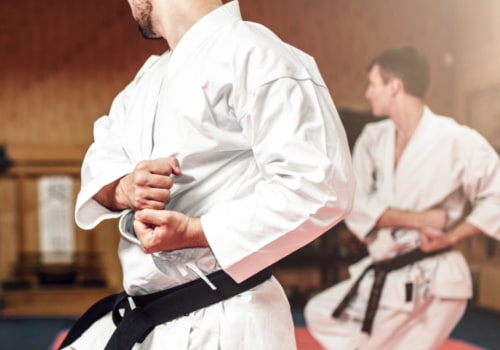
In addition to these primary styles, MMA fighters often incorporate elements from other martial arts such as karate , taekwondo , and kickboxing.
Each discipline adds layers of complexity to a fighter's skill set, allowing for a more versatile approach in the octagon. The integration of these various martial arts into MMA training involves a comprehensive regimen that includes striking drills, grappling sessions, conditioning exercises, and strategy development. Fighters must be well-rounded athletes capable of adapting their techniques based on their opponents' strengths and weaknesses. Ultimately, the beauty of mixed martial arts lies in its diversity. By blending different styles, fighters can create unique strategies that reflect their individual strengths while also addressing the multifaceted nature of combat sports.
Rules and Regulations in Mixed Martial Arts
Mixed Martial Arts (MMA) is governed by a comprehensive set of rules and regulations designed to ensure the safety of fighters while maintaining the integrity of the sport. These regulations vary slightly depending on the governing body, but most organizations adhere to a standardized framework established by the Unified Rules of MMA. One of the primary objectives of these rules is to protect fighters from unnecessary harm.To achieve this, certain techniques are explicitly prohibited during competitions. These include:
- Head Butting: Striking an opponent with the head is banned due to the potential for severe injury.
- Eye Gouging: Deliberately attempting to poke or gouge an opponent's eyes is strictly forbidden.
- Biting: Any form of biting is not allowed, as it poses significant health risks.
- Hair Pulling: Grabbing an opponent's hair to gain an advantage is prohibited.
- Fish Hooking: Inserting fingers into an opponent's mouth or nostrils to control them is banned.
- Groin Strikes: Attacks aimed at the groin area are not permitted, as they can cause extreme pain and injury.
Medical examinations are mandatory for fighters before they can compete, ensuring that they are physically fit and free from injuries that could be exacerbated during a match. Additionally, referees play a crucial role in monitoring fights, with the authority to stop bouts if a fighter is deemed unable to continue safely. Another important aspect of MMA regulations is the scoring system used during fights. Judges score each round based on effective striking, grappling, control, and overall aggression. This system ensures that fighters are rewarded for their performance while also providing a clear framework for determining the winner in case a fight goes the distance. Overall, the rules and regulations in mixed martial arts are designed not only to promote fair competition but also to prioritize the safety and well-being of all participants.
As MMA continues to grow in popularity, these guidelines will remain essential in maintaining the sport's integrity and protecting its athletes.
The Role of Training in Mixed Martial Arts
Training in mixed martial arts (MMA) is a multifaceted process that encompasses physical conditioning, skill development, and mental preparation. Each of these components plays a crucial role in shaping a fighter's performance inside the octagon.Physical Conditioning
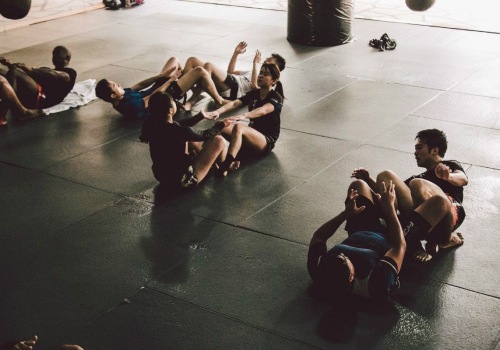
Physical conditioning is the foundation of any successful MMA training regimen. Fighters must develop strength, endurance, agility, and flexibility to withstand the rigors of competition. Conditioning programs often include:
- Cardiovascular Training: Activities such as running, cycling, and swimming are essential for building stamina.
High-intensity interval training (HIIT) is particularly popular among MMA fighters for its effectiveness in simulating the bursts of energy required during a fight.
- Strength Training: Weightlifting and bodyweight exercises help build muscle mass and improve overall strength. Fighters often focus on compound movements like squats, deadlifts, and bench presses to enhance their power.
- Flexibility and Mobility Work: Stretching routines and yoga can improve flexibility, which is vital for executing various techniques and preventing injuries.
Skill Development Across Disciplines
MMA fighters train in multiple martial arts disciplines to become well-rounded competitors. This cross-training allows them to adapt their strategies based on their opponents' strengths and weaknesses. Key areas of focus include:
- Striking Techniques: Boxers often emphasize footwork, head movement, and punching combinations, while Muay Thai practitioners focus on using elbows, knees, and clinch work.
- Grappling Skills: Wrestlers bring takedown techniques and ground control, while Brazilian Jiu-Jitsu (BJJ) specialists concentrate on submissions and positional dominance on the ground.
- Cage Control: Understanding how to use the octagon effectively is crucial.
Fighters practice wall work to learn how to escape from or control their opponents against the cage.
Mental Preparation
The mental aspect of training is often overlooked but is equally important. Fighters must cultivate mental toughness to handle the pressures of competition. Techniques for mental preparation include:
- Visualization: Many fighters use visualization techniques to mentally rehearse their fights, helping them prepare for various scenarios they may encounter.
- Meditation and Mindfulness: These practices can enhance focus and reduce anxiety before fights, allowing athletes to perform at their best under pressure.
- Goal Setting: Establishing clear, achievable goals helps fighters stay motivated and track their progress throughout their training journey.
Famous Personalities in Mixed Martial Arts
Mixed martial arts (MMA) has been shaped and defined by a number of influential figures who have made significant contributions to the sport.These personalities range from legendary fighters to innovative coaches, each playing a vital role in the evolution and popularization of MMA.
Renowned Fighters
Among the most notable figures in MMA history is Anderson Silva , often regarded as one of the greatest fighters of all time. Silva held the UFC Middleweight Championship for a record 2,457 days and is celebrated for his striking ability and fight IQ. His dynamic style and impressive finishing rate have inspired countless fighters and fans alike. Another iconic name is Georges St-Pierre , a two-division champion known for his well-rounded skill set and sportsmanship. St-Pierre's ability to adapt his game plan to exploit his opponents' weaknesses has set a standard for tactical fighting in MMA.His return to the octagon after a hiatus further solidified his status as a legend.
Ronda Rousey
also deserves mention as a trailblazer for women in MMA. As the first female fighter inducted into the UFC Hall of Fame, Rousey not only dominated her division but also played a crucial role in bringing women's MMA into the mainstream spotlight.
Influential Coaches
The impact of coaches in MMA cannot be overstated. Greg Jackson , co-founder of Jackson Wink MMA Academy, has trained numerous champions, including Jon Jones and Holly Holm. His strategic approach to fight preparation has revolutionized how fighters train and compete.Duke Roufus
, another prominent coach, has been instrumental in developing striking techniques that blend various martial arts disciplines.
His work with fighters like Anthony Pettis has showcased the effectiveness of creative striking in MMA.
The Legacy of Personalities in MMA
The contributions of these fighters and coaches have not only shaped their respective careers but have also influenced the broader landscape of mixed martial arts. Their legacies continue to inspire new generations of athletes, ensuring that the sport evolves while honoring its rich history.Mixed Martial Arts as a Sport and Entertainment Phenomenon
Mixed Martial Arts (MMA) has transformed from a niche combat sport into a global phenomenon, captivating audiences and athletes alike. This evolution can be attributed to several factors, including the rise of prominent organizations, particularly the Ultimate Fighting Championship (UFC), which has played a pivotal role in shaping the landscape of MMA as both a sport and an entertainment spectacle. The UFC, founded in 1993, has been instrumental in legitimizing MMA and bringing it into the mainstream. By establishing a structured format for competitions and implementing safety regulations, the UFC has not only enhanced the sport's credibility but also attracted a diverse audience.The organization’s focus on high-quality production values, including elaborate fight promotions and engaging storylines, has turned each event into a major entertainment occasion. One of the key elements that contribute to MMA's appeal is its dynamic nature. Unlike traditional sports that often adhere to rigid formats, MMA showcases a variety of fighting styles, allowing athletes to demonstrate their versatility and skill. This blend of techniques—from striking arts like boxing and Muay Thai to grappling disciplines such as Brazilian jiu-jitsu and wrestling—creates an unpredictable and thrilling experience for fans. Moreover, the personalities involved in MMA have significantly influenced its popularity. Fighters like Conor McGregor, Ronda Rousey, and Khabib Nurmagomedov have transcended the sport, becoming cultural icons.
Their unique stories, rivalries, and charisma have drawn in viewers who may not have previously engaged with combat sports. The UFC has capitalized on this by promoting fighters not just as athletes but as entertainers with compelling narratives. In addition to individual fighters, the UFC's strategic partnerships with major broadcasting networks have expanded its reach. Pay-per-view events regularly draw millions of viewers worldwide, while weekly shows and reality series like The Ultimate Fighter provide fans with behind-the-scenes access to fighters' lives and training regimens. This comprehensive approach to marketing has solidified MMA's status as a leading form of entertainment. As MMA continues to grow, it faces challenges such as regulatory scrutiny and concerns over fighter safety.
However, its ability to adapt and innovate suggests that it will remain a significant player in both the sports and entertainment industries for years to come. The cultural significance of mixed martial arts is undeniable; it has not only changed how we view combat sports but has also influenced broader societal perceptions of athleticism, competition, and personal branding.
The Future of Mixed Martial Arts
The future of mixed martial arts (MMA) is poised for significant transformation as the sport continues to evolve in response to cultural, technological, and regulatory changes. As MMA gains global popularity, several emerging trends are shaping its trajectory. One of the most notable trends is the increasing integration of technology in training and competition. Advanced analytics and performance tracking tools are becoming commonplace, allowing fighters and coaches to analyze data on everything from striking accuracy to grappling efficiency.This data-driven approach not only enhances training regimens but also provides insights that can be crucial during fights. Virtual reality (VR) and augmented reality (AR) technologies are also making their way into training environments, offering fighters immersive experiences that can simulate real fight scenarios without the physical risks. Moreover, the regulatory landscape of MMA is likely to undergo changes as the sport matures. As more states and countries adopt regulations for MMA competitions, there will be a push for standardized rules that prioritize fighter safety while maintaining the integrity of the sport. This could lead to more comprehensive medical examinations and stricter enforcement of weight classes, which would help mitigate health risks associated with extreme weight cutting. Another significant factor influencing the future of MMA is the growing emphasis on athlete welfare and mental health.
Organizations are beginning to recognize the importance of supporting fighters beyond just their physical training. Initiatives aimed at providing mental health resources, financial planning assistance, and career transition support are becoming more prevalent, ensuring that athletes are well-rounded both inside and outside the octagon. Furthermore, as MMA continues to attract a diverse audience, promotional companies may explore new avenues for engagement. This includes leveraging social media platforms for fan interaction, creating behind-the-scenes content that showcases fighters' lives, and even exploring e-sports collaborations that tap into younger demographics. In conclusion, the future of mixed martial arts is bright and multifaceted. With advancements in technology, evolving regulations focused on safety, and a growing commitment to athlete welfare, MMA is set to not only maintain its status as a premier combat sport but also redefine what it means to be a fighter in this dynamic landscape.
Conclusion: The Essence of Mixed Martial Arts
In conclusion, mixed martial arts stands as a multifaceted sport that transcends mere competition.It embodies a rich tapestry of techniques, philosophies, and cultural influences that have evolved over centuries. Understanding MMA requires an appreciation of its diverse roots, which include traditional martial arts from around the globe, each contributing unique elements to the sport. The journey of mixed martial arts from its historical origins to its current status as a mainstream phenomenon highlights its significance not only as a sport but also as a cultural movement. The blend of striking and grappling techniques allows practitioners to develop a well-rounded skill set, making MMA a comprehensive form of self-defense and athletic expression. Moreover, the rise of organizations like the UFC has propelled MMA into the global spotlight, attracting millions of fans and participants alike. This popularity has fostered a community that values discipline, respect, and perseverance—qualities that are essential both inside and outside the octagon. As we reflect on the essence of mixed martial arts, it is crucial to recognize its impact on personal development.
Many athletes find that training in MMA not only enhances their physical capabilities but also instills mental fortitude and resilience. The rigorous training regimens and competitive nature of the sport challenge individuals to push their limits, fostering growth in various aspects of life. In summary, mixed martial arts is more than just a combat sport; it is a dynamic blend of cultures, techniques, and philosophies that continues to evolve. Whether one is drawn to it for fitness, competition, or self-defense, understanding the depth and breadth of MMA enriches the experience for practitioners and fans alike. As we move forward, embracing the spirit of mixed martial arts can lead to greater appreciation for its complexities and contributions to modern sports culture.