Know the whole fight.
The Art of Combining Martial Arts Styles: Exploring Mixed Martial Arts
Explore the art of combining martial arts styles in MMA. Discover techniques, benefits, and successful combinations for effective training.
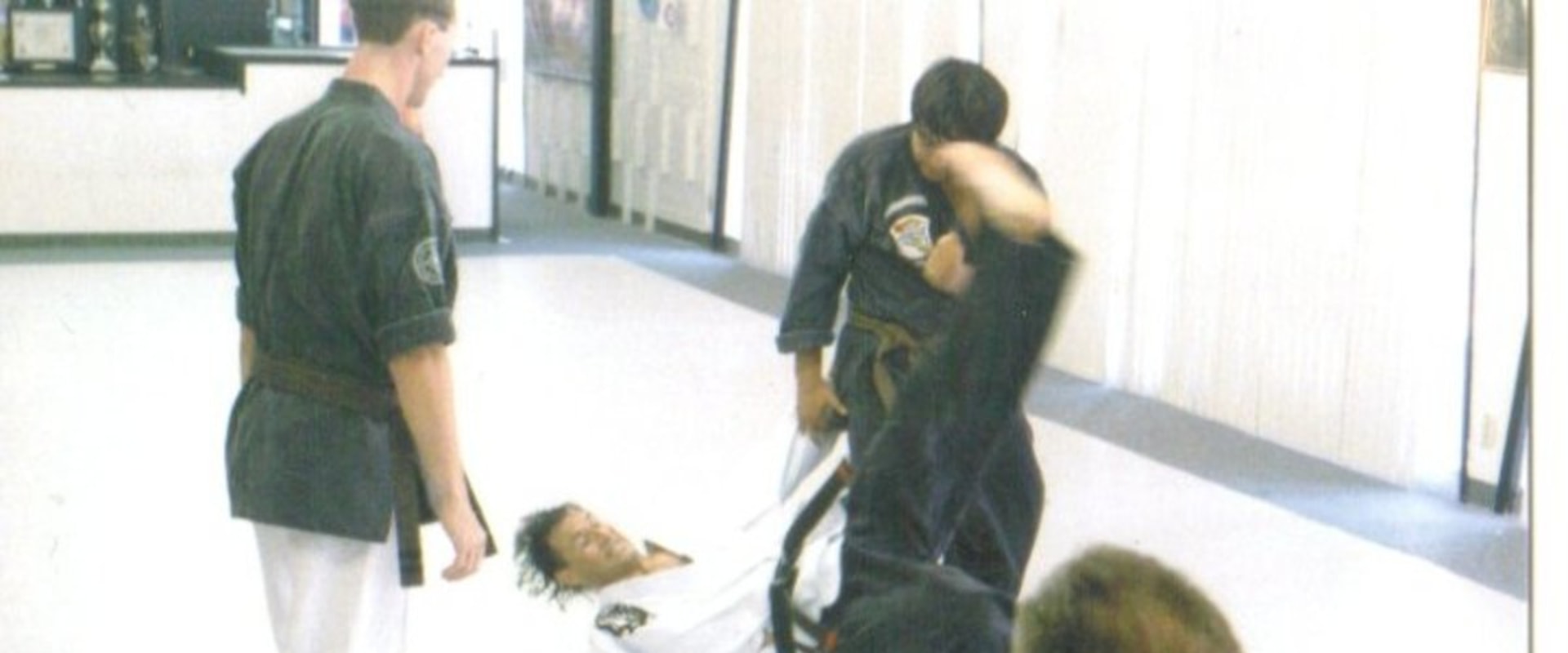
Mixed martial arts, commonly referred to as MMA, is a dynamic and multifaceted combat sport that blends techniques from various martial arts disciplines. It encompasses a wide range of fighting styles, including striking arts like boxing and Muay Thai, as well as grappling arts such as Brazilian Jiu-Jitsu and wrestling. This eclectic approach allows fighters to adapt their skills to different situations, making MMA one of the most versatile and effective forms of self-defense and competition available today. The history of mixed martial arts can be traced back to ancient combat practices, but it gained significant popularity in the 20th century. The first modern MMA event, known as UFC 1, took place in 1993 and showcased fighters from diverse backgrounds competing against one another.
This groundbreaking event not only highlighted the effectiveness of various martial arts but also sparked a global interest in training across multiple disciplines. Over the years, MMA has evolved into a highly regulated sport with established rules and weight classes, attracting millions of fans worldwide. Engaging in mixed martial arts offers numerous benefits beyond just physical fitness. Practitioners develop enhanced coordination, strength, and endurance while also improving their mental resilience and discipline. The training involved in MMA fosters a sense of community among fighters, promoting camaraderie and mutual respect.
Additionally, the ability to combine different martial arts styles equips individuals with a comprehensive skill set that can be applied in real-life situations, making MMA not only a sport but also an invaluable tool for personal development.
The Fundamentals of Martial Arts Styles
Understanding the various martial arts styles is crucial for anyone interested in the world of combat sports. Each style has its own unique characteristics, techniques, and philosophies that can significantly influence a fighter's approach to training and competition. Some of the most popular martial arts styles include:- Karate: Originating from Japan, Karate emphasizes striking techniques such as punches, kicks, and knee strikes. It also incorporates kata, which are pre-arranged forms that help practitioners develop precision and timing.
- Judo: A Japanese martial art focused on throws and grappling techniques. Judo practitioners learn to use their opponent's weight and momentum against them, making it an effective style for self-defense.
- Taekwondo: Known for its high, fast kicks and jumping techniques, Taekwondo is a Korean martial art that emphasizes agility and speed.
It also includes forms (hyung) that help students practice their techniques in a structured manner.
- Brazilian Jiu-Jitsu (BJJ): This grappling-based martial art focuses on ground fighting and submission holds. BJJ teaches practitioners how to control opponents on the ground, making it a vital component of mixed martial arts.
- Muay Thai: Often referred to as the "Art of Eight Limbs," Muay Thai utilizes punches, kicks, elbows, and knee strikes. This striking art from Thailand is known for its powerful techniques and clinch work.
When combined, these styles can create a well-rounded fighter capable of adapting to various combat situations. Moreover, understanding the characteristics of each martial art can help practitioners identify which styles complement each other best. For example, a fighter trained in Muay Thai may benefit from incorporating BJJ techniques to enhance their ground game. This combination allows them to strike effectively while also being prepared for grappling exchanges. In conclusion, exploring different martial arts styles not only broadens your skill set but also deepens your understanding of combat dynamics. By recognizing the strengths and weaknesses of each style, you can make informed decisions about which arts to combine in your training regimen.
Benefits of Combining Martial Arts Styles
Combining different martial arts styles offers a multitude of benefits that can significantly enhance a practitioner's overall skill set and effectiveness in combat situations.By integrating various techniques and philosophies, martial artists can develop a more versatile approach to fighting, which is essential in today’s dynamic combat sports environment.
1.Enhanced Skill Set
- When you train in multiple martial arts, you gain access to a broader range of techniques. For instance, combining Brazilian Jiu-Jitsu with Muay Thai allows a fighter to be proficient in both ground fighting and striking, making them unpredictable and adaptable in various scenarios.
- This cross-training enables practitioners to learn how to defend against a wider array of attacks, as they become familiar with the strengths and weaknesses of different styles.
2.Versatility in Fighting Techniques
- One of the most significant advantages of mixed martial arts (MMA) is the ability to switch between striking and grappling seamlessly. A fighter trained in both boxing and wrestling, for example, can effectively strike from a distance while also being prepared to take the fight to the ground when necessary.
- This versatility not only keeps opponents guessing but also allows fighters to exploit their strengths while minimizing their weaknesses.
3.Improved Physical Conditioning
- Training in multiple martial arts styles often leads to enhanced physical conditioning. Each discipline emphasizes different aspects of fitness, such as strength, endurance, flexibility, and agility.
For example, karate may focus on explosive power and speed, while taekwondo emphasizes flexibility and kicking techniques.
- This diverse training regimen helps practitioners develop a well-rounded physique that is better suited for the demands of combat sports.
4.Mental Benefits
- The mental aspect of combining martial arts should not be overlooked. Learning various styles fosters adaptability and quick thinking, as practitioners must constantly assess their opponents' movements and adjust their strategies accordingly.
- This mental agility can translate into improved decision-making skills both inside and outside the dojo, enhancing overall life skills.
Challenges in Combining Martial Arts Styles
Combining different martial arts styles can be an exciting journey, but it is not without its challenges.Practitioners often encounter various difficulties that can hinder their progress and effectiveness in mixed martial arts (MMA). Understanding these challenges is essential for anyone looking to successfully integrate multiple disciplines into their training regimen.
1.Conflicting Techniques
One of the primary challenges in combining martial arts styles is the potential for conflicting techniques. Each martial art has its own set of principles, strategies, and techniques that may not always align with those of another style. For instance, a striking-focused discipline like boxing emphasizes powerful punches and footwork, while a grappling art like Brazilian Jiu-Jitsu focuses on ground control and submissions.
Attempting to blend these contrasting approaches can lead to confusion during sparring or competition.
2.Training Time and Focus
Another significant hurdle is the time commitment required to train effectively in multiple styles. Each martial art demands a considerable amount of practice to master its techniques and concepts. Dividing your training time between two or more disciplines can dilute your focus, making it challenging to achieve proficiency in any one style. This can be particularly frustrating for beginners who may struggle to grasp the fundamentals of each art.
3.Physical Conditioning
The physical demands of different martial arts can also pose challenges.
For example, the conditioning required for Muay Thai, which involves extensive striking and clinch work, may differ significantly from that needed for Judo, which emphasizes throws and grappling techniques. Practitioners must be mindful of their physical conditioning to avoid overtraining or injury when switching between styles.
4.Mental Adjustment
Mental adaptability is crucial when combining martial arts styles. Each discipline has its own mindset and approach to combat, which can create a mental barrier when transitioning from one style to another. For instance, the aggressive mindset required in kickboxing may clash with the more strategic thinking needed in traditional Karate forms.
Practitioners must cultivate a flexible mindset to navigate these differences effectively.
5.Finding Qualified Instruction
Lastly, finding qualified instructors who are knowledgeable in multiple styles can be a challenge. Not all schools or trainers have experience in teaching hybrid systems or integrating various martial arts effectively. It is essential for practitioners to seek out experienced coaches who understand the nuances of combining different disciplines and can provide tailored guidance.
In conclusion, while combining martial arts styles can enhance your skill set and versatility as a fighter, it is vital to recognize and address these challenges. By being aware of potential pitfalls such as conflicting techniques, training time constraints, physical conditioning differences, mental adjustments, and the need for qualified instruction, practitioners can better navigate their journey in mixed martial arts.
How to Effectively Combine Martial Arts Styles
Combining different martial arts styles can be a rewarding journey, but it requires careful planning and execution to ensure that you gain the most from each discipline.Here are some practical tips and strategies to effectively combine martial arts styles:
- Choose Compatible Styles: When selecting martial arts to combine, consider their compatibility. For instance, pairing a striking art like boxing with a grappling art such as Brazilian Jiu-Jitsu can create a well-rounded skill set. Look for styles that complement each other’s strengths and weaknesses.
- Establish a Training Schedule: Create a structured training schedule that allows you to dedicate time to each martial art without overwhelming yourself. For example, you might train boxing on Mondays and Wednesdays, while focusing on Brazilian Jiu-Jitsu on Tuesdays and Thursdays.
This approach helps maintain focus and prevents confusion.
- Focus on Fundamentals: Before diving into advanced techniques, ensure you have a solid grasp of the fundamentals of each martial art. Mastering basic techniques will provide a strong foundation for more complex combinations later on.
- Incorporate Cross-Training: Use cross-training to enhance your skills in both styles. For instance, practicing footwork drills from boxing can improve your movement in grappling scenarios. Similarly, understanding ground techniques can help you defend against takedowns in striking arts.
- Seek Guidance from Experienced Instructors: Learning from instructors who have experience in multiple disciplines can provide valuable insights into how to effectively combine techniques.
They can offer tailored advice based on your individual strengths and weaknesses.
- Maintain Mental Focus: It’s essential to keep your mental focus sharp when training in multiple styles. Set specific goals for each session, whether it’s improving your striking accuracy or mastering a new submission technique. This will help you stay engaged and motivated.
- Evaluate Progress Regularly: Periodically assess your progress in both martial arts. This could involve sparring sessions or competitions where you can apply what you’ve learned.
Reflecting on your performance will help identify areas for improvement.
Successful Combinations of Martial Arts Styles
Combining different martial arts styles can yield powerful results, leading to the development of effective hybrid systems that enhance a fighter's versatility and adaptability. Here are some of the most successful combinations of martial arts styles that have emerged over the years:- Brazilian Jiu-Jitsu (BJJ) and Muay Thai: This combination is prevalent in mixed martial arts (MMA) due to its effectiveness in both ground fighting and striking. BJJ provides grappling techniques that allow fighters to control opponents on the ground, while Muay Thai offers powerful striking skills, including elbows and knees, making it a well-rounded approach.
- Boxing and Judo: The fusion of boxing's striking prowess with judo's throwing techniques creates a dynamic fighting style.
Boxers can utilize their footwork and head movement to evade attacks while setting up judo throws, allowing them to take the fight to the ground when necessary.
- Kickboxing and Wrestling: This combination is particularly effective for MMA fighters. Kickboxing provides a strong striking foundation, while wrestling equips practitioners with takedown skills and ground control. The ability to strike effectively while also being able to take an opponent down creates a tactical advantage.
- Tae Kwon Do and Karate: Both of these striking arts emphasize kicks, but they have different philosophies and techniques. By combining them, practitioners can develop a diverse kicking arsenal that includes high, fast kicks from Tae Kwon Do and powerful strikes from Karate.
- MMA: As the most recognized hybrid system, MMA incorporates elements from various martial arts, including boxing, wrestling, BJJ, Muay Thai, and more.
Fighters train in multiple disciplines to prepare for any situation in the cage.
- Jeet Kune Do: Founded by Bruce Lee, this philosophy emphasizes adaptability and efficiency by integrating techniques from various martial arts. It encourages practitioners to find what works best for them rather than adhering strictly to one style.
- Sambo: A Russian martial art that combines elements of judo and wrestling, Sambo focuses on both striking and grappling techniques. It has gained popularity in MMA due to its effectiveness in controlling opponents.
Similarly, a kickboxer could incorporate takedowns from wrestling into their game plan to keep opponents guessing. Ultimately, successful combinations of martial arts styles not only enhance individual skill sets but also foster creativity in combat strategies. By understanding the strengths of each discipline and how they can work together, martial artists can develop a unique fighting style that maximizes their potential.
The Role of Coaches and Instructors in Mixed Martial Arts Training
In the realm of mixed martial arts (MMA), the role of coaches and instructors is paramount. These individuals not only impart technical skills but also shape the overall development of a fighter. A knowledgeable coach can make a significant difference in how effectively a practitioner combines various martial arts styles.Importance of Coaches in MMA
- Expert Guidance: Coaches provide expert guidance on the nuances of different martial arts, helping fighters understand how to blend techniques from disciplines such as Brazilian Jiu-Jitsu, Muay Thai, and wrestling.
- Strategic Planning: A good coach develops tailored training regimens that focus on a fighter's strengths while addressing weaknesses.
This strategic planning is crucial for those looking to excel in MMA.
- Mental Preparation: Coaches also play a vital role in mental conditioning. They help fighters build confidence and resilience, which are essential for success in the competitive arena of mixed martial arts.
Finding a Good Martial Arts Instructor
When searching for an instructor, consider the following:
- Experience: Look for instructors with extensive experience in multiple martial arts. Their background will provide valuable insights into how to effectively combine techniques.
- Teaching Style: Different instructors have varying teaching styles. Find one whose approach resonates with you, as this will enhance your learning experience.
- Reputation: Research the instructor's reputation within the MMA community.
Positive reviews and testimonials can indicate their effectiveness as a coach.
The Role of Instructors in Hybrid Training
In hybrid training environments, instructors must be adept at teaching multiple styles simultaneously. They should:
- Encourage Adaptability: Instructors should foster an environment where students feel comfortable experimenting with different techniques and adapting them to their unique fighting style.
- Promote Safety: Safety is paramount in mixed martial arts training. Instructors must ensure that students practice techniques safely, using appropriate gear and following best practices.
- Facilitate Sparring Sessions: Regular sparring sessions under the supervision of an experienced instructor allow fighters to apply what they've learned in real-time scenarios, enhancing their ability to combine styles effectively.
Real-Life Applications and Success Stories in Mixed Martial Arts
Mixed martial arts (MMA) has evolved into a dynamic sport that showcases the successful integration of various martial arts styles.This eclectic approach not only enhances the fighters' skill sets but also demonstrates the real-life applications of these techniques in competitive environments. Numerous success stories highlight how fighters have effectively combined different disciplines to achieve greatness in the octagon. One of the most notable examples is Georges St-Pierre , a former UFC welterweight and middleweight champion. St-Pierre, known for his exceptional wrestling and striking abilities, began his journey in karate before transitioning to Brazilian jiu-jitsu and wrestling. His ability to blend these styles allowed him to dominate opponents with a well-rounded skill set, making him one of the greatest MMA fighters of all time. Another prominent figure is Conor McGregor , who rose to fame with his unique combination of boxing and traditional Irish martial arts.
McGregor's striking precision and knockout power have made him a household name, showcasing how effective a strong stand-up game can be when paired with grappling techniques. His success in both featherweight and lightweight divisions exemplifies the potential of combining different martial arts styles. The real-life applications of mixed martial arts extend beyond professional fighting. Many practitioners utilize MMA techniques for self-defense, fitness, and personal development. For instance, individuals training in MMA often report increased confidence, discipline, and physical fitness.
The diverse skill set acquired through training allows them to handle various situations effectively, whether in competitive sports or everyday life. Moreover, gyms around the world are increasingly adopting MMA training programs that incorporate elements from multiple martial arts. This trend not only attracts a broader audience but also fosters a community where individuals can learn from each other’s experiences and backgrounds. As more people recognize the benefits of mixed martial arts, the sport continues to grow, inspiring future generations of fighters. In conclusion, the success stories of fighters like Georges St-Pierre and Conor McGregor illustrate the power of combining different martial arts styles in achieving excellence in MMA. The real-life applications of these techniques extend beyond competition, offering valuable skills for self-defense and personal growth.
As mixed martial arts continues to evolve, it remains a testament to the effectiveness of eclectic training methodologies.
Conclusion: The Future of Mixed Martial Arts and Style Combinations
As we reflect on the evolution of mixed martial arts (MMA) and the potential for combining various martial arts styles, it becomes clear that the future holds exciting possibilities. The journey of MMA has been marked by a continuous blending of techniques, philosophies, and training methodologies from diverse martial arts disciplines. This eclectic approach not only enhances the skill set of fighters but also enriches the overall experience for practitioners and fans alike. One of the most significant trends in the future of MMA is the increasing acceptance and integration of different martial arts styles. Fighters are no longer confined to traditional training regimens; instead, they are encouraged to explore various disciplines to develop a more comprehensive fighting strategy.This trend is evident in the rise of hybrid fighters who seamlessly blend striking arts like boxing and Muay Thai with grappling techniques from Brazilian Jiu-Jitsu and wrestling. Moreover, as the sport continues to grow globally, we can expect to see an influx of unique styles from different cultures being incorporated into MMA. For instance, traditional martial arts such as Capoeira or Savate may find their way into mainstream training programs, offering fighters new tools and techniques to enhance their performance. However, while the combination of styles presents numerous advantages, it also poses challenges. Fighters must remain vigilant about maintaining their core competencies while integrating new techniques. This balance is crucial to avoid confusion during training and competition.
As such, future training programs will likely emphasize a structured approach to learning multiple styles, ensuring that practitioners can effectively merge techniques without compromising their foundational skills. In conclusion, the future of mixed martial arts is bright and full of potential. As fighters continue to explore and combine various martial arts styles, we can anticipate a more dynamic and versatile sport that pushes the boundaries of what is possible in combat sports. The ongoing evolution will not only benefit athletes but also inspire a new generation of martial artists who are eager to learn from multiple disciplines, fostering a culture of innovation and excellence in the world of MMA.