Know the whole fight.
Understanding Mixed Martial Arts: A Comprehensive Guide
Explore the world of mixed martial arts (MMA), its history, techniques, and key fighters in this comprehensive guide to the dynamic sport.
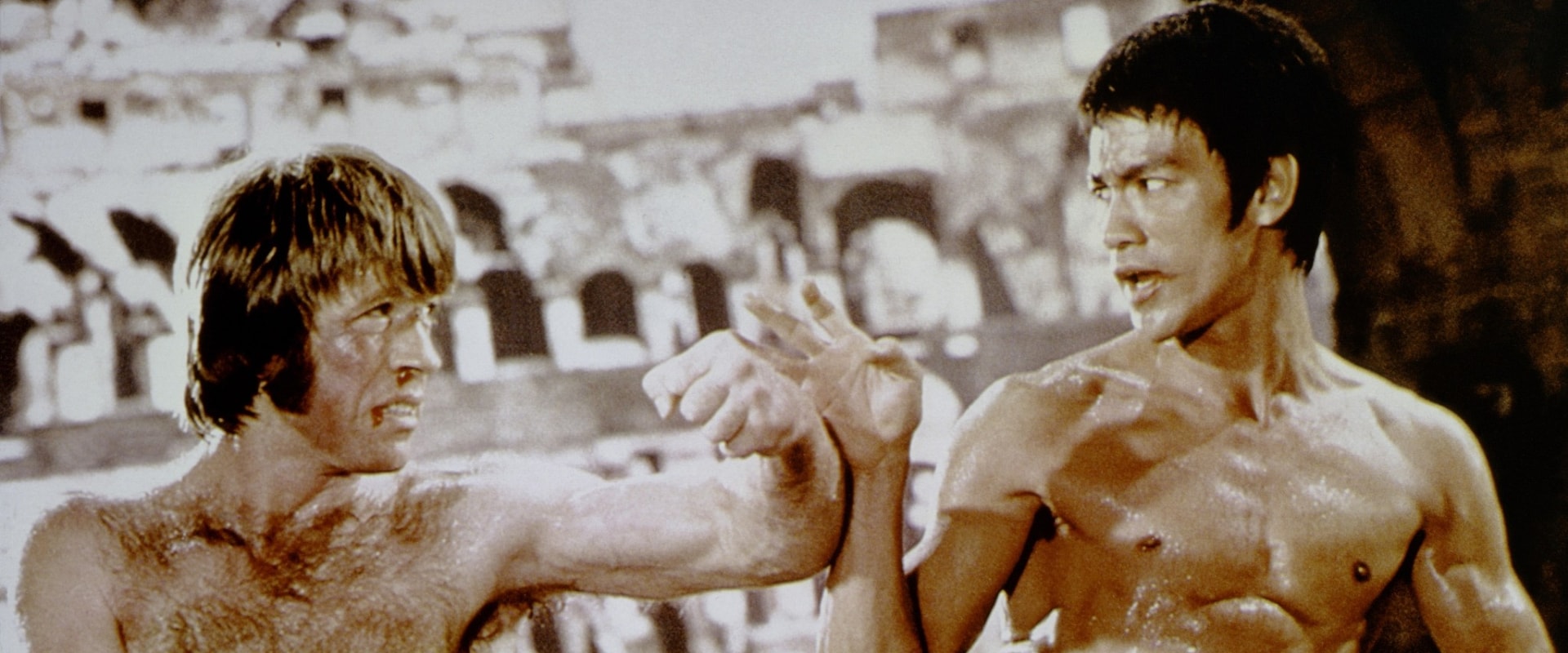
Mixed martial arts, commonly referred to as MMA, is a dynamic and multifaceted combat sport that has gained immense popularity across the globe. It is characterized by its integration of various fighting styles, allowing practitioners to utilize techniques from disciplines such as boxing, wrestling, judo, Brazilian jiu-jitsu, and Muay Thai. This blend of martial arts not only showcases the physical prowess of the athletes but also emphasizes strategy, adaptability, and mental fortitude. As a result, MMA has evolved into a comprehensive sport that appeals to both participants and spectators alike. The roots of mixed martial arts can be traced back to ancient civilizations, where combat sports were often used for training warriors and settling disputes.
The earliest recorded instances of mixed fighting date back to 648 B. C. E. in Greece with the sport of Pankration, which combined elements of boxing and wrestling.
Over the centuries, various cultures have contributed to the evolution of MMA, leading to its resurgence in the 20th century when Brazilian jiu-jitsu gained prominence through notable figures like Royce Gracie in the early UFC events. This pivotal moment marked a turning point in how martial arts were perceived and practiced. Today, MMA is not just a sport; it is a cultural phenomenon that encompasses a wide range of techniques and philosophies. Fighters are required to be well-rounded athletes who can perform effectively in both stand-up striking and ground fighting scenarios. This necessity for versatility has led to the development of specialized training camps and academies dedicated to honing skills across multiple disciplines.
As MMA continues to grow in popularity, it remains essential for enthusiasts to understand its rich history and the various components that make up this exciting sport.
The History of Mixed Martial Arts
The history of mixed martial arts (MMA) is a fascinating journey that spans centuries, showcasing the evolution of combat sports from ancient times to the modern arena. The roots of MMA can be traced back to ancient civilizations, where various forms of unarmed combat were practiced for sport, military training, and self-defense. One of the earliest recorded instances of mixed fighting can be found in ancient Greece, where the sport of pankration emerged around 648 B. This brutal competition combined elements of boxing and wrestling, allowing a wide range of techniques including strikes, holds, and submissions. Pankration was so popular that it became a staple event in the ancient Olympic Games, highlighting its significance in Greek culture. As time progressed, the art of combat spread across different regions, influencing and being influenced by local fighting styles.In Asia, for instance, various martial arts began to develop independently. Chinese martial arts, such as kung fu, and Japanese jujitsu laid the groundwork for grappling techniques that would later become integral to MMA. The modern incarnation of mixed martial arts began to take shape in the 20th century. In Brazil during the 1920s, the emergence of Brazilian jiu-jitsu (BJJ) marked a pivotal moment in MMA history. The Gracie family played a crucial role in popularizing BJJ through challenge matches that showcased its effectiveness against other martial arts.
These events laid the foundation for what would eventually evolve into organized MMA competitions. The late 20th century saw a significant turning point for MMA with the establishment of the Ultimate Fighting Championship (UFC) in 1993. The UFC aimed to determine the most effective martial art by pitting fighters from different disciplines against one another in an octagonal cage. This format not only captivated audiences but also highlighted the importance of cross-training in multiple disciplines. Throughout the years, MMA has continued to evolve, adopting rules and regulations that promote fighter safety while maintaining the sport's competitive edge. Organizations like the New Jersey State Athletic Control Board have set standards that have helped legitimize MMA as a respected sport worldwide. Today, mixed martial arts is a global phenomenon with millions of fans and practitioners. It has transcended its origins to become a multifaceted sport that incorporates techniques from boxing, wrestling, Muay Thai, judo, and many other disciplines.
As MMA continues to grow and evolve, its rich history serves as a testament to humanity's enduring fascination with combat sports.
Key Components of Mixed Martial Arts
Mixed Martial Arts (MMA) is a multifaceted sport that integrates various combat disciplines, each contributing unique techniques and strategies. Understanding the key components of MMA is essential for both practitioners and fans alike, as it highlights the complexity and depth of this dynamic sport.Striking Techniques
-
Boxing: One of the most fundamental striking arts, boxing focuses on punches, footwork, and head movement. In MMA, effective boxing can lead to knockouts and set up takedowns. Fighters like Cain Velasquez and B.
J. Penn have showcased how boxing skills can dominate in the octagon.
- Muay Thai: Known as the "Art of Eight Limbs," Muay Thai utilizes punches, kicks, elbows, and knees. This striking style is particularly effective in clinch situations, allowing fighters to deliver devastating strikes at close range.
- Kickboxing: Combining elements of traditional boxing with kicks, kickboxing enhances a fighter's ability to strike from various angles. It emphasizes combinations and movement, making it a vital component of an MMA fighter's arsenal.
-
Karate: With its emphasis on speed and precision, karate techniques can surprise opponents with quick strikes and unique angles.
Many fighters incorporate karate kicks and stances into their training.
Grappling Techniques
- Brazilian Jiu-Jitsu (BJJ): BJJ focuses on ground fighting and submission holds. It teaches fighters how to control opponents on the ground and apply joint locks or chokeholds to secure victories. The effectiveness of BJJ was famously demonstrated by Royce Gracie in early UFC events.
- Wrestling: A cornerstone of MMA, wrestling provides fighters with the ability to take opponents down and control them on the mat. Wrestlers often excel in takedown defense and positional control, making them formidable competitors.
-
Sambo: This Russian martial art combines elements of judo and wrestling, focusing on throws and submissions.
Sambo practitioners are known for their versatility in both standing and ground fighting.
- Judo: Judo emphasizes throws and takedowns using an opponent's weight against them. Its techniques can be particularly useful for gaining advantageous positions in MMA bouts.
Striking Techniques in MMA
Striking techniques are a fundamental component of mixed martial arts (MMA), playing a crucial role in both offense and defense during fights.These techniques not only enhance a fighter's ability to score points but also serve as a means to incapacitate opponents. Among the various striking arts incorporated into MMA, boxing and Muay Thai stand out due to their effectiveness and widespread use.
Boxing in Mixed Martial Arts
Boxing is one of the most prevalent striking disciplines in MMA, providing fighters with essential skills such as footwork, head movement, and powerful punches. The emphasis on hand strikes allows fighters to deliver quick and effective blows, making boxing an invaluable asset in the octagon. Key boxing techniques include:- Jab: A quick, straight punch that helps maintain distance and gauge an opponent's reach.
- Cross: A powerful straight punch thrown with the rear hand, often used to capitalize on openings created by the jab.
- Hook: A punch delivered in a circular motion, targeting the opponent's head or body from the side.
- Uppercut: An upward punch aimed at the chin, effective for catching opponents off guard.
Penn have successfully integrated boxing into their MMA strategies, showcasing how effective striking can lead to victories through knockouts or points.
The Art of Eight Limbs: Muay Thai
Muay Thai, often referred to as the "art of eight limbs," utilizes punches, kicks, elbows, and knees, making it a versatile striking art. This discipline originated in Thailand and has gained immense popularity in MMA due to its effectiveness in close-range combat. Key elements of Muay Thai include:- Knees: Powerful knee strikes can be devastating when delivered from clinch positions or while moving forward.
- Elbows: Sharp elbow strikes can cut opponents and create openings for further attacks.
- Kicks: Muay Thai kicks are known for their power and precision, targeting various parts of the body.
- The Clinch: A unique aspect of Muay Thai where fighters engage in close quarters to control their opponent's posture while delivering knee strikes or setting up throws.
As MMA continues to evolve, the importance of effective striking remains paramount for success in this dynamic sport.
Grappling Techniques in MMA
Grappling techniques play a crucial role in mixed martial arts (MMA), providing fighters with the ability to control their opponents and dictate the pace of the fight. Among the various grappling disciplines, Brazilian Jiu-Jitsu (BJJ) and wrestling stand out as two of the most influential styles that have shaped modern MMA.Brazilian Jiu-Jitsu in Mixed Martial Arts
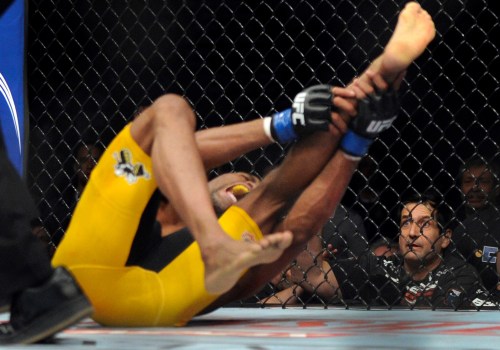
BJJ focuses on ground fighting and submission holds, emphasizing leverage and technique over brute strength. This discipline allows a smaller, weaker fighter to defend against a larger opponent by using joint locks and chokeholds. In MMA, BJJ practitioners often aim to take the fight to the ground, where they can utilize their skills to control their opponent's movements and seek submissions. One of the key strategies employed by BJJ fighters in MMA is the concept of positional dominance.
By achieving superior positions such as mount or back control, a fighter can effectively neutralize their opponent's striking capabilities while setting up for submissions. The ability to transition between positions fluidly is essential, as it keeps opponents guessing and creates openings for attacks.
Wrestling in MMA
Wrestling is another foundational grappling art that has proven invaluable in MMA. Wrestlers are trained to take down their opponents and maintain control on the ground, making them formidable competitors. The ability to execute takedowns not only allows wrestlers to dictate where the fight takes place but also helps them avoid dangerous striking exchanges.
In MMA, wrestlers often employ various takedown techniques, including single-leg and double-leg takedowns, to bring their opponents to the mat.
Once on the ground, they can use their wrestling skills to maintain top position, which is advantageous for scoring points and delivering effective strikes. Additionally, wrestlers are adept at defending against submissions, making them difficult opponents for BJJ specialists.
The Strategic Significance of Grappling
The integration of grappling techniques in MMA is not merely about physical dominance; it also involves strategic thinking. Fighters must be able to read their opponents' movements and anticipate their next actions. This requires a deep understanding of both grappling arts and the ability to adapt quickly during a fight.
Moreover, grappling can serve as an effective tool for conserving energy.
By taking an opponent down and controlling them on the ground, a fighter can minimize damage while looking for opportunities to finish the fight. This strategic use of grappling techniques highlights their importance in achieving victory in mixed martial arts. In conclusion, grappling techniques such as Brazilian Jiu-Jitsu and wrestling are integral components of mixed martial arts. They provide fighters with essential skills for controlling fights, executing submissions, and defending against attacks. As MMA continues to evolve, the mastery of these grappling disciplines will remain vital for success in the octagon.
The Role of Training in Mixed Martial Arts
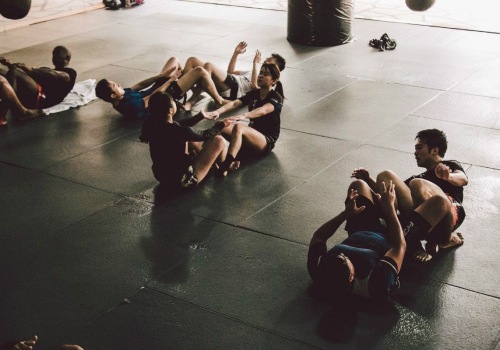
Training in mixed martial arts (MMA) is a multifaceted endeavor that requires dedication, discipline, and a comprehensive approach to skill development.Fighters engage in rigorous training regimens that encompass various disciplines, ensuring they are well-rounded and prepared for the diverse challenges they may face in the octagon.
MMA Training MethodsMMA Training Methods
- Technical Training: This involves practicing specific techniques from different martial arts. Fighters spend hours honing their striking skills through boxing and Muay Thai, while also mastering grappling techniques from Brazilian Jiu-Jitsu and wrestling.
- Drilling: Repetitive drilling of techniques is crucial for muscle memory. Fighters often partner up to practice combinations of strikes, takedowns, and submissions, allowing them to react instinctively during fights.
- Sparring: Live sparring sessions simulate real fight conditions. This allows fighters to apply their skills against resisting opponents, helping them to develop timing, distance management, and adaptability.
-
Strength and Conditioning: Physical conditioning is vital for MMA fighters.
They engage in strength training, cardiovascular workouts, and flexibility exercises to enhance their overall athleticism. This not only improves performance but also reduces the risk of injury.
Cross-Training in Mixed Martial Arts
One of the defining characteristics of MMA training is the emphasis on cross-training. Fighters often train in multiple disciplines to become proficient in both striking and grappling. This cross-training approach allows them to:
- Develop a diverse skill set that can be adapted to various fighting styles.
- Counter opponents' strengths by understanding their techniques and strategies.
- Enhance their overall fight IQ by learning how different martial arts interact in a competitive setting.
Conversely, a striker may take up Brazilian Jiu-Jitsu to defend against takedowns and submissions. This holistic approach not only prepares fighters for competition but also fosters a deeper appreciation for the art of combat.
Importance of Conditioning for MMA
The physical demands of MMA are immense, making conditioning an essential component of any training regimen. Fighters must possess not only strength but also endurance, agility, and flexibility. Effective conditioning programs typically include:
- Aerobic Conditioning: Long-distance running or cycling helps build cardiovascular endurance, allowing fighters to maintain high energy levels throughout the fight.
- Anaerobic Conditioning: High-intensity interval training (HIIT) is often employed to improve explosive power and recovery times between bursts of activity during fights.
-
Functional Strength Training: Exercises that mimic fight movements help build strength relevant to MMA.
This includes kettlebell swings, medicine ball throws, and bodyweight exercises.
The Evolution of Rules and Regulations in MMA
The landscape of mixed martial arts (MMA) has undergone significant transformation since its inception, particularly in terms of rules and regulations. Initially, MMA was characterized by a lack of standardized rules, leading to a chaotic environment where fighters could employ a wide range of techniques without much oversight. This absence of regulation raised concerns about fighter safety and the integrity of the sport. In the early days, particularly during the first Ultimate Fighting Championship (UFC) events in the 1990s, there were minimal rules in place.Fighters could strike, grapple, and utilize various techniques without restrictions, which often resulted in brutal matches that drew criticism from the public and media alike. The need for a structured framework became evident as the sport gained popularity and attracted a wider audience. To address these concerns, several key organizations emerged to establish guidelines aimed at ensuring fighter safety and promoting fair competition. One of the most influential bodies is the Unified Rules of Mixed Martial Arts , which were first adopted in 2000. These rules introduced essential regulations such as weight classes, time limits for rounds, and specific fouls that could lead to penalties or disqualification. Among the notable governing bodies overseeing MMA are:
-
Association of Boxing Commissions (ABC) : This organization plays a crucial role in standardizing regulations across different states in the U.
S., ensuring that fighters are protected and that competitions are conducted fairly.
- International Mixed Martial Arts Federation (IMMAF) : Established to promote MMA globally, IMMAF focuses on developing amateur competitions and fostering safe practices within the sport.
- State Athletic Commissions : Each state in the U. S. has its own athletic commission responsible for regulating professional fights, enforcing safety protocols, and ensuring compliance with established rules.
Additionally, advancements in technology have led to improved monitoring of fighters' health during competitions. The evolution of rules in MMA reflects a broader commitment to creating a safe and competitive environment for athletes. As the sport grows in popularity worldwide, ongoing dialogue among governing bodies will be essential to adapt regulations that protect fighters while maintaining the integrity and excitement of mixed martial arts.
Famous Fighters and Their Impact on Mixed Martial Arts
Mixed Martial Arts (MMA) has been shaped and defined by numerous fighters who have not only excelled in the cage but have also left a lasting impact on the sport itself. These athletes have brought their unique styles, philosophies, and personalities to the forefront, influencing both the techniques used in MMA and its global popularity.1.Royce Gracie
One of the most pivotal figures in the history of MMA, Royce Gracie is credited with introducing Brazilian Jiu-Jitsu (BJJ) to a wider audience through his performances in the early UFC events. His ability to defeat larger opponents using technique and leverage showcased the effectiveness of ground fighting.
Gracie's success not only popularized BJJ but also emphasized the importance of grappling in MMA, leading many fighters to incorporate BJJ into their training regimens.
2.Randy Couture
Randy Couture, known as "The Natural," is another legendary figure whose impact on MMA is profound. With a background in wrestling and Greco-Roman techniques, Couture was one of the first fighters to successfully blend wrestling with striking. His strategic approach to fights and ability to adapt his game plan made him a two-division champion in the UFC, inspiring future generations to adopt a more versatile fighting style.
3.Anderson Silva
Anderson Silva is often regarded as one of the greatest strikers in MMA history. His fluid movement, precision striking, and ability to evade attacks set a new standard for stand-up fighting in MMA.
Silva's reign as UFC Middleweight Champion showcased his dominance and creativity inside the octagon, influencing countless fighters to develop their striking skills while maintaining an elusive defensive style.
4.Georges St-Pierre
Georges St-Pierre, or GSP, is celebrated for his well-rounded skill set that combines wrestling, striking, and BJJ. His disciplined training regimen and focus on improving every aspect of his game have made him a role model for aspiring fighters. GSP's success in multiple weight classes has demonstrated that adaptability and continuous learning are crucial for success in MMA.
5.Conor McGregor
Conor McGregor has not only made waves with his fighting style but has also transformed the business side of MMA. Known for his charismatic personality and trash-talking abilities, McGregor has brought significant attention to the sport, elevating its profile globally.
His striking prowess and knockout power have inspired many fighters to adopt a more aggressive approach while also emphasizing the importance of branding and promotion in modern MMA. The contributions of these fighters extend beyond their individual achievements; they have collectively shaped the evolution of mixed martial arts into a multifaceted sport that values versatility, strategy, and skill across various disciplines. As MMA continues to grow, the legacies of these legends will undoubtedly influence future generations of fighters.
The Future of Mixed Martial Arts
The landscape of mixed martial arts (MMA) is continuously evolving, and its future promises to be as dynamic as its past. As the sport gains traction globally, several trends are emerging that could shape its trajectory in the coming years. One of the most significant trends is the increasing popularity of MMA across diverse demographics. With organizations like the UFC leading the charge, MMA has transcended its niche status to become a mainstream sport.This growth is fueled by enhanced media coverage, including live broadcasts, streaming services, and social media platforms that allow fans to engage with fighters and events in real-time. As more people become aware of the sport, we can expect a surge in participation at both amateur and professional levels. Technological advancements are also set to play a crucial role in the future of MMA. Innovations in training equipment, such as virtual reality (VR) and augmented reality (AR), are beginning to revolutionize how fighters prepare for bouts. These technologies can simulate fight scenarios, allowing athletes to practice techniques and strategies in a controlled environment.
Additionally, wearable technology that tracks performance metrics will enable fighters and coaches to analyze data more effectively, leading to tailored training regimens that optimize performance. Regulatory changes may also impact the future of mixed martial arts. As the sport continues to grow, governing bodies are likely to implement stricter safety protocols and regulations to protect fighters. This could include enhanced medical examinations before fights, stricter weight-cutting guidelines, and improved concussion protocols. Such measures would not only safeguard athletes but also enhance the sport's credibility and appeal to a broader audience. Moreover, the rise of women in MMA is another trend that cannot be overlooked.
Female fighters have gained significant recognition and respect within the sport, leading to increased viewership and participation among women. As more female athletes enter the octagon, we can anticipate a more inclusive environment that fosters talent across genders. In conclusion, the future of mixed martial arts is bright and full of potential. With growing popularity, technological advancements in training methods, and evolving regulations aimed at ensuring fighter safety, MMA is poised for continued expansion. As these trends unfold, they will undoubtedly shape the next generation of fighters and fans alike.
Conclusion: The Essence of Mixed Martial Arts
In conclusion, mixed martial arts (MMA) stands as a testament to the evolution of combat sports, merging various fighting styles into a cohesive and dynamic discipline.Throughout this exploration, we have delved into the rich history of MMA, tracing its roots from ancient Greece to its modern resurgence in Brazil and beyond. This journey highlights how MMA has transformed from a niche sport into a global phenomenon, captivating audiences and athletes alike. The multifaceted nature of MMA is one of its most compelling aspects. It encompasses a wide array of techniques and strategies drawn from disciplines such as boxing, wrestling, judo, Brazilian jiu-jitsu, and Muay Thai. Each of these styles contributes unique elements to a fighter's arsenal, allowing for a diverse range of combat scenarios.
As fighters cross-train in various arts, they develop not only physical skills but also mental resilience and adaptability—qualities essential for success in the octagon. Moreover, the significance of understanding mixed martial arts extends beyond the ring. It fosters respect for different cultures and fighting traditions, promoting a sense of community among practitioners. The sport encourages discipline, perseverance, and sportsmanship, values that resonate with individuals from all walks of life. As we look to the future, it is clear that MMA will continue to evolve. With advancements in training techniques, nutrition, and recovery methods, fighters are pushing the boundaries of what is possible in the sport.
Additionally, the increasing popularity of MMA has led to greater visibility and support for athletes, paving the way for new generations to engage with this exciting discipline. In summary, mixed martial arts is not merely a sport; it is a complex tapestry woven from various martial traditions that reflect the dedication and passion of its practitioners. Understanding its intricacies enriches our appreciation for this dynamic art form and underscores its place in the world of sports.